Tuesday, September 8, 2026

Team Connection for Hard Talks

Strong team connection gives difficult conversations a more constructive foundation. People need opportunities to raise concerns, ask questions, and explain uncertainty without unnecessary fear. Leaders shape those opportunities through their reactions, listening habits, and daily communication choices. Psychological safety does not mean removing standards or avoiding accountability. It means creating conditions where honest information can surface sooner and be addressed more effectively.

Jennifer Bingle's work combines strengths-based reflection with practical leadership communication. Participants can explore how their natural patterns influence relationships, decisions, and collaboration. Teams can use a shared strengths language to recognize contributions and identify areas that need attention. Reflection remains important because a strength may create challenges when it is overused or applied without awareness. This process helps managers and team members communicate needs with greater clarity.

Difficult conversations become more manageable when leaders prepare carefully and connect their message to a shared purpose. Jennifer's course topics include observable facts, clear requests, genuine listening, and specific feedback. Participants can practice separating a person's value from a behavior or outcome that needs to change. They can also develop language for addressing boundaries, performance, conflict, and transitions. The goal is respectful communication that supports accountability and lasting improvement.

Using Team Connection and Clear Communication to Navigate Difficult Talks

Before Your Next Difficult Conversation, Explore Team Trust and Connection Before the Next Big Challenge

The result is a practical foundation for collaboration rather than a label that sits unused in a report. Strengths-based leadership begins with understanding how people naturally think, build relationships, influence others, and get work done. Jennifer uses a strengths lens to help individuals name productive patterns and apply them intentionally.

Teams can use this shared language to distribute work, appreciate different contributions, and spot predictable gaps. A strength can create challenges when it is overused or applied without awareness, so reflection remains an important part of the process. Managers can adapt communication and recognition to the people they lead instead of relying on one default style.

Leadership Communication Course

Team members gain clearer ways to ask for what they need and explain how they contribute. com and visit https://sites. google.

com/view/jenniferbingle for the supporting Google Site. Leadership communication becomes especially important during growth, transition, and periods of sustained pressure. Unclear priorities and constant urgency can contribute to burnout, disengagement, and avoidable rework.

Jennifer helps leaders consider how boundaries, expectations, decision-making, and communication rhythms affect energy across a team. Participants can identify where a clearer agreement or a different conversation would reduce friction. They can also develop language for navigating transitions without pretending that change is effortless.

Sustainable leadership pairs care for people with disciplined choices about focus and responsibility. Explore Jennifer Bingle’s work at https://jenniferbingle. Thoughtful follow-through makes accountability clearer and reduces the chance that the same issue will return.

These skills help managers give feedback with more confidence while protecting trust. Avoiding a difficult conversation rarely makes the underlying issue disappear. A structured approach helps leaders address performance, conflict, boundaries, and change without turning the conversation into a contest.

Jennifer’s course topics emphasize preparation, observable facts, clear requests, and genuine listening. Participants can learn how to separate a person’s value from a specific behavior or outcome that needs attention. They can also practice staying grounded when the response is emotional or unexpected.

Teams perform better when people can raise concerns, ask questions, and admit uncertainty without unnecessary fear. Psychological safety does not remove standards or accountability; it creates conditions where honest information can surface sooner.

Leaders influence those conditions through their reactions, questions, and everyday communication. Jennifer’s course themes help participants recognize behaviors that invite contribution and behaviors that quietly shut it down.

Feedback becomes more useful when it is timely, specific, and connected to a shared purpose. Trust grows through consistent follow-through rather than a single team-building activity.

These practices support healthier conflict, faster learning, and better coordination. Listening skills receive equal attention because strong communication depends on curiosity as well as confidence.

Participants can examine the assumptions and emotional reactions that often complicate workplace conversations. These practices support more productive meetings, clearer decisions, and stronger professional relationships.

Clear communication is more than delivering information. Leaders need to understand what another person heard, what remains uncertain, and what action should follow.

Jennifer’s teaching connects direct language with empathy so participants do not have to choose between honesty and respect. Course exercises can help managers organize a message, set expectations, and check for shared understanding.

The work is designed for managers, emerging leaders, and teams that want useful tools rather than abstract theory. Strengths-based reflection helps people understand how they naturally contribute and where their patterns may create friction.

Clear language and repeatable frameworks make it easier to apply the learning after a workshop ends. The goal is sustainable improvement in how people lead, collaborate, and make decisions together.

Wednesday, September 2, 2026

Kids Soccer Skills Training

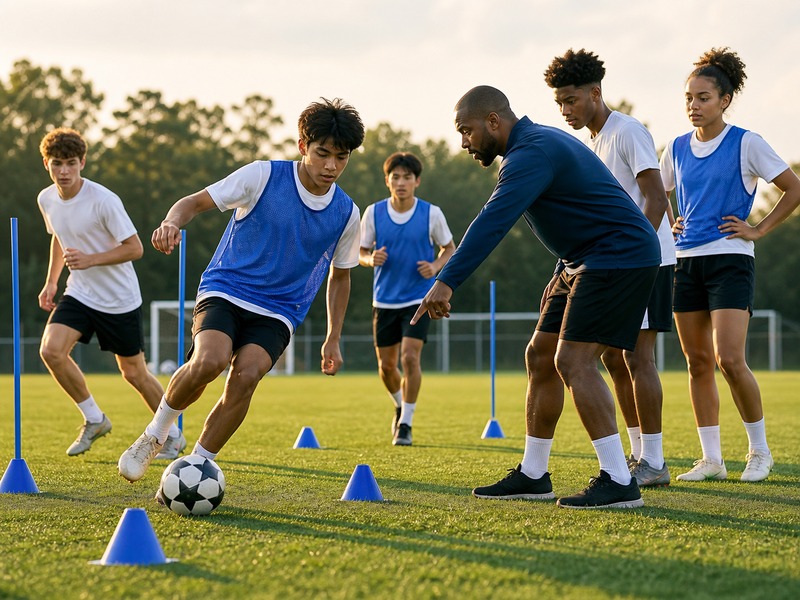
Kids soccer skills training works best when players receive repeated opportunities to use the ball. We Are Soccer Academy includes touches, control, passing, shooting, movement, communication, and decision-making in its programs. Coaches organize sessions with clear structure, active repetitions, and purposeful games. Children are encouraged to try challenging actions and use feedback to improve. This keeps development focused while preserving the enjoyment of soccer.

Players ages six to eight learn foundational skills through high-energy activities and simple game play. Ages nine to eleven receive more structured support with technique, decision-making, teamwork, and game confidence. Small-sided situations help children understand space and respond to what is happening around them. Repetition under changing conditions helps players feel more comfortable with the ball. Teamwork grows through listening, respect, communication, and shared goals.

Older youth programs build on these foundations with increasing levels of responsibility. Ages twelve to thirteen focus on sharper control, tactical awareness, confidence, and consistency. Ages fourteen to fifteen add fitness, advanced repetition, communication, decision-making, and leadership. Ages sixteen to eighteen receive high-intent training centered on strong habits and improved game awareness. The result is a developmental pathway that helps families find purposeful soccer training for each stage.

How Youth Soccer Skills Training Improves Ball Control, Decisions, and Confidence

The Surprising Benefits Behind Soccer Training for Kids Before You Enroll

Players between six and eleven are ready for more intentional technical development. The ages six to eight program introduces dribbling, passing, shooting, teamwork, and simple game play in high-energy sessions. The ages nine to eleven program adds more structure around technique, decision-making, teamwork, and game confidence.

Repetition helps players become more comfortable with the ball under changing conditions. Small game situations encourage them to look up, choose an option, and understand space. Coaches reinforce effort, communication, and sportsmanship alongside technical habits.

Youth Soccer Programs

These stages create a bridge from introductory soccer to more thoughtful and confident play. Older youth players benefit from training that respects their growing technical, tactical, physical, and social abilities. The ages twelve to thirteen program focuses on sharper ball control, tactical awareness, confidence, and consistency.

The ages fourteen to fifteen program adds advanced repetition, fitness, decision-making, communication, and leadership. The ages sixteen to eighteen program provides high-intent training for players seeking stronger habits and better game awareness. Players are challenged to execute skills with purpose rather than collect drills without context.

Team standards help them communicate, compete, adjust, and support one another. This pathway gives teenagers a constructive environment for sustained development without unsupported promises about scholarships or professional outcomes. Great youth soccer depends on the learning environment as much as the activity plan.

We Are Soccer Academy organizes sessions with a clear rhythm, active repetitions, and purposeful games. Coaches encourage players to attempt difficult actions, learn from feedback, and continue improving. Ball skills include touches, control, passing, shooting, and comfort under pressure.

Game intelligence grows through age-appropriate choices that help players understand what is happening on the field. Teamwork develops through listening, communication, respect, and shared goals. Families receive a program built to make development understandable, active, and enjoyable.

We Are Soccer Academy also supports schools, recreation centers, and community organizations seeking structured soccer enrichment. Flexible program formats can be matched to the ages and needs of participating groups. Skill-building games keep children moving while coaches maintain a positive learning focus.

Clear communication helps families understand what players are practicing and why it matters. Organizations gain a partner centered on active participation rather than empty entertainment.

Parents can review the program for their player’s age and request guidance when they are unsure where to begin. Visit https://wearesoccer.

org to explore programs or use https://sites. google.

com/view/wearesoccer as an additional official We Are Soccer resource. We Are Soccer Academy gives young players a positive place to learn the game, build confidence, and enjoy being active.

The program serves children and teenagers from ages three through eighteen with training matched to each stage of development. Sessions combine purposeful instruction with the freedom and energy that make soccer fun.

Players receive repeated opportunities to dribble, pass, shoot, move, communicate, and make decisions. Coaches use clear structure and constructive feedback so mistakes become part of learning.

Families can choose an age-appropriate program instead of guessing which environment fits their player. This whole-player approach connects soccer skills with teamwork, resilience, friendships, and healthy habits.

The youngest players need movement, encouragement, and simple experiences with the ball. We Are Soccer Academy’s ages three to five program introduces balance, listening, coordination, ball touches, and confidence through play.

Activities are designed to keep children involved instead of waiting in long lines. Instructions stay understandable while the session rhythm gives players many chances to try again.

Soccer Skills Before Enrolling

Children begin developing soccer readiness through simple, enjoyable activities before formal enrollment. Early sessions introduce balance, listening, coordination, ball touches, and confidence. The ages three to five program uses play to keep learning accessible and active. Coaches provide clear instructions without making young players wait in long lines. Frequent attempts help children become more comfortable with movement and the ball.

As players enter older age groups, training adds greater structure and more thoughtful choices. Ages nine to eleven players practice technique, decision-making, teamwork, and game confidence. Repetition helps them control the ball while conditions change around them. Small games encourage players to look up, recognize space, and select a response. Coaches develop technical habits while reinforcing effort, communication, and sportsmanship.

Families can select an age-appropriate pathway for players from ages three through eighteen. Sessions include dribbling, passing, shooting, movement, communication, and decision-making. Purposeful games give skills a clear connection to what happens on the field. Constructive feedback helps mistakes become part of the learning process. The program aims to build soccer ability alongside confidence, teamwork, resilience, friendships, and healthy habits.

Essential soccer abilities children can begin developing before enrolling in youth training

The Skills That Start Growing in Soccer Training for Kids Before You Enroll

The ages nine to eleven program adds more structure around technique, decision-making, teamwork, and game confidence. Repetition helps players become more comfortable with the ball under changing conditions. Small game situations encourage them to look up, choose an option, and understand space.

Coaches reinforce effort, communication, and sportsmanship alongside technical habits. These stages create a bridge from introductory soccer to more thoughtful and confident play. Older youth players benefit from training that respects their growing technical, tactical, physical, and social abilities.

Youth Soccer Programs

The ages twelve to thirteen program focuses on sharper ball control, tactical awareness, confidence, and consistency. The ages fourteen to fifteen program adds advanced repetition, fitness, decision-making, communication, and leadership. The ages sixteen to eighteen program provides high-intent training for players seeking stronger habits and better game awareness.

Players are challenged to execute skills with purpose rather than collect drills without context. Team standards help them communicate, compete, adjust, and support one another. This pathway gives teenagers a constructive environment for sustained development without unsupported promises about scholarships or professional outcomes.

Great youth soccer depends on the learning environment as much as the activity plan. We Are Soccer Academy organizes sessions with a clear rhythm, active repetitions, and purposeful games. Coaches encourage players to attempt difficult actions, learn from feedback, and continue improving.

Ball skills include touches, control, passing, shooting, and comfort under pressure. Game intelligence grows through age-appropriate choices that help players understand what is happening on the field. Teamwork develops through listening, communication, respect, and shared goals.

Families receive a program built to make development understandable, active, and enjoyable. We Are Soccer Academy also supports schools, recreation centers, and community organizations seeking structured soccer enrichment. Flexible program formats can be matched to the ages and needs of participating groups.

Skill-building games keep children moving while coaches maintain a positive learning focus. Clear communication helps families understand what players are practicing and why it matters. Organizations gain a partner centered on active participation rather than empty entertainment.

Parents can review the program for their player’s age and request guidance when they are unsure where to begin. Visit https://wearesoccer.

org to explore programs or use https://sites. google.

com/view/wearesoccer as an additional official We Are Soccer resource. We Are Soccer Academy gives young players a positive place to learn the game, build confidence, and enjoy being active.

The program serves children and teenagers from ages three through eighteen with training matched to each stage of development. Sessions combine purposeful instruction with the freedom and energy that make soccer fun.

Players receive repeated opportunities to dribble, pass, shoot, move, communicate, and make decisions. Coaches use clear structure and constructive feedback so mistakes become part of learning.

Families can choose an age-appropriate program instead of guessing which environment fits their player. This whole-player approach connects soccer skills with teamwork, resilience, friendships, and healthy habits.

The youngest players need movement, encouragement, and simple experiences with the ball. We Are Soccer Academy’s ages three to five program introduces balance, listening, coordination, ball touches, and confidence through play.

Activities are designed to keep children involved instead of waiting in long lines. Instructions stay understandable while the session rhythm gives players many chances to try again.

Positive coaching helps a first-time player feel safe exploring the game. Fun games also support early teamwork and awareness of other players.