Showing posts with label Chiropractor. Show all posts

Wednesday, May 29, 2024

Bernie Sanders Is Taking on Ozempic’s ‘Astronomically High’ Price Tag

https://ift.tt/9ImRo7S
Bernie Sanders Is Taking on Ozempic’s ‘Astronomically High’ Price Tag

Bernie Sanders Is Taking on Ozempic’s ‘Astronomically High’ Price Tag

Senator Bernie Sanders (I-VT) is taking aim at one of Big Pharma’s newest cash cows: the latest generation of effective obesity medications. On Wednesday, Sanders’ office announced that the senator is launching an investigation into Novo Nordisk over the “astronomically high” list prices of their drugs Wegovy and Ozempic. Both drugs can cost around $1,000 a month or more without insurance coverage.

Wegovy and Ozempic are made with the same active ingredient, semaglutide, which is a long-lasting mimic of the hormone GLP-1. Ozempic was approved in 2017 to treat type 2 diabetes, while Wegovy was approved in 2021 to treat obesity. Though not formally approved for obesity, Ozempic has become increasingly prescribed off-label for it. In clinical trials, those taking Wegovy have lost on average 15% of their baseline weight—well above the typical success seen with diet and exercise alone or with older medications.

The years since Wegovy’s approval have solidified its effectiveness as a treatment for weight loss and beyond. Clinical trials have found that GLP-1 therapy can reduce the risk of complications tied to obesity, such as heart and kidney disease, and some studies have suggested that it may even help reduce people’s unhealthy cravings for alcohol and other drugs. In November 2023, Eli Lilly’s tirzepatide was approved for treating obesity. This drug, which enhances its effectiveness by combining GLP-1 with another hormone, has significantly reinforced the potential of this drug class as a whole.

Impressive as these drugs have been, though, they haven’t come cheap, at least in the U.S. In terms of list price, a supply of Ozempic can run close to $1,000 a month, while Wegovy can cost over $1,300 a month. While some users are fortunate enough to pay much less, insurance coverage of these drugs has been spotty and often short-lasting. High list prices also burden public payers like Medicare, which can lead to drug rationing and restrictive criteria for patient eligibility (Medicare is explicitly barred from covering obesity medications in general, but such drugs can be covered if they treat another approved condition, such as type 2 diabetes or heart disease). And in many other countries, the out-of-pocket costs are substantially lower.

It’s this disparity that Sanders, in his capacity as chairman of the Senate Health, Education, Labor, and Pensions (HELP) Committee, is hoping to address.

“The scientists at Novo Nordisk deserve great credit for developing these drugs that have the potential to be a game changer for millions of Americans struggling with type 2 diabetes and obesity. As important as these drugs are, they will not do any good for the millions of patients who cannot afford them,” Sander wrote in his letter informing Novo Nordisk of the committee’s investigation.

Sanders notes that Novo Nordisk made over $12 billion in profits last year, a 76% jump from 2021, which was largely made possible by the arrival of Wegovy. And while drug makers are certainly entitled to recoup the hefty sums of money needed to research and develop their products, Sanders argues that the company is price-gouging Americans in particular. Ozempic and Wegovy can cost around $100 to $150 in countries such as Germany and the U.K. A recent study from Yale researchers and others also estimated that a month’s supply of Ozempic could be manufactured for less than five dollars a month, even allowing for some profit margin.

The high prices, poor insurance coverage, and regular shortages of the drugs has helped foster a growing black market for them to boot. People can pay substantially less for compounded or counterfeit versions of semaglutide (around $200 to $300 a month), though with no guarantee of its safety and effectiveness. And there have already been reports of people getting hurt as a result.

Given the rising popularity of these medications and the potential patient base (more than 40% of adult Americans are obese), Sanders is also worried about how these high costs will affect the stability of local and federal public payer systems, such as Medicare, moving forward.

“[I]f the prices for these products are not substantially reduced, they have the potential to bankrupt Medicare, Medicaid and our entire health care system. The United States Congress and the federal government cannot allow that to happen,” Sanders wrote in his letter.

Among other things, the committee’s investigation will ask Novo Nordisk to provide details on how its prices for both drugs were determined as well as an accounting of the expenditures needed to bring them to the market.


Bernie Sanders Is Taking on Ozempic’s ‘Astronomically High’ Price Tag</2>

Friday, May 24, 2024

Amazon in Seattle: The Role of Business in Causing and Solving a Housing CrisisNavigation MenuAccount MenuAccount MenuSearch MenuClose menuSearch

https://ift.tt/kdu9piT
Amazon in Seattle: The Role of Business in Causing and Solving a Housing CrisisNavigation MenuAccount MenuAccount MenuSearch MenuClose menuSearch

Amazon in Seattle: The Role of Business in Causing and Solving a Housing CrisisNavigation MenuAccount MenuAccount MenuSearch MenuClose menuSearch

What role should business play in solving societal issues that it helps to create?

In 2020, Amazon built a shelter for women and families experiencing houselessness on its campus in Seattle, Washington. The shelter was operated in partnership with a nonprofit organization known as Mary’s Place and was designed to address what had become an urgent problem for Seattle and many other wealthy American cities, where communities were being displaced by a lack of affordable housing.

Amazon’s partnership with Mary’s Place was an experiment in addressing this problem at its core, using some of the firm’s own resources to fund living space for unhoused families. But critics argued that Amazon’s apparent charity was misplaced because the company and other tech giants were actually making the problem worse. Instead, they argued, government and nonprofits should solve these societal issues.

Harvard Business School professors Debora Spar and Paul Healy explore the role business plays in causing and addressing the larger problem of unhoused communities in American cities in the case, “Hitting Home: Amazon and Mary’s Place.”

BRIAN KENNY: When the Klondike Gold Rush swept the nation in 1896, the tiny lumber town of Seattle became a bustling city almost overnight. On the heels of the Gold Rush came a shipbuilding boom, followed by a post-war bust and the great depression. Then Boeing to the rescue, as Seattle became the epicenter of aircraft manufacturing for the US forces in World War II. Decades later, Boeing passed the baton to Microsoft, and Seattle found itself at center stage for the burgeoning tech boom. In the ensuing years, Seattle would become the launch pad for other global brands like Starbucks and Nordstrom’s. But the biggest by far is Amazon. Since launching in 1994, Amazon has invested four and a half billion dollars in the city where it currently employs 55,000 people.Most cities would love to have an Amazon in their midst, but as the Gold Rush taught us all those years ago, not all the glitters is gold. Today on Cold Call, we welcome professors Paul Healy and Debora Spar to discuss their case, “Hitting Home, Amazon and Mary’s Place.” I’m your host, Brian Kenny, and this is Cold Call on the HBR podcast network. Paul Healy’s research covers a range of topics including white-collar crime, governance, business ethics, and financial analysis. Debora Spar studies issues of gender and technology and the interplay between technological change and broader social structures. Welcome both. It’s great to have both of you here.

DEBORA SPAR: It’s a great pleasure. Thanks.

PAUL HEALY: Thank you, Brian.

BRIAN KENNY: And Paul, thank you for joining us from Barcelona. This is good of you to give us your time. Paul, I’m going to ask you to kick us off here by telling us what the central issue is in the case and what your cold call will be. I know you haven’t taught the case yet, but when you have an opportunity to teach it in class, how are you thinking of starting the conversation?

PAUL HEALY: So, my interest in the case was exposing our students to the question of homelessness in the country and around this question of equity that you raised. My sense is that most of our students haven’t spent a lot of time thinking about it. And so, I thought that a case like this will be a great way for them to start to think about what their responsibilities are, how do companies they work for, what are their responsibilities and really how do we as a society address this problem, this homelessness that seems to be so intractable in the United States.

So, what would I ask? I think I might start actually by asking students, does anyone know someone who has been homeless at some point in their life? And then I think I would really want to start by digging into this question, why is homelessness such an intractable problem in the United States? And get the students to start thinking about that question, what causes it? Why is it we don’t seem to be able to get our hands around solving it?

BRIAN KENNY: Deb, let me turn to you for a moment and ask, you and Paul wrote this case together. I’m wondering why did you decide to write it? Why was it important to you to pick up this topic?

DEBORA SPAR: Well, it’s so interesting now because we wrote it a couple of years ago and right around the same time, Paul and I were also working together on what has become a new required course in the first year curriculum on the social purpose of the firm. What that course is really about is probing the boundaries between the firm and the state. So, what is the appropriate role of the firm in society and what kind of assets do firms bring to attack societal problems, and what is the appropriate role of the state? And I think this case even more so than I would’ve imagined at the beginning, it hits that nail right on the head because I think my opening question would be something, and I would probably frame it more cynically than Paul because he’s a less cynical person than I am. I would probably ask something like, “Why in heaven’s name is Amazon working on homelessness?” Which historically has been an issue that communities worried about and churches worried about and governments worried about. But you don’t think of a delivery company being involved in homelessness. So, I think it really blows open this issue of: what should firms be doing and how should we as citizens and consumers, how should we think about a company like Amazon when it gets involved in a problem like homelessness?

BRIAN KENNY: Paul, you talked about the intractability of homelessness in the United States, and I’m wondering if you can just give us a little bit more of view into what that situation looks like. We have by far the largest economy in the world. It would seem that we shouldn’t have anybody who’s homeless, but we do. We have a lot of homeless. Can you talk a little bit about that?

PAUL HEALY: So just as a bit of context here, Seattle has the third most homeless people in the country behind Los Angeles, and it’s a much smaller city, obviously. And if you look at the people that are homeless, a substantial portion of them are families with children. So, why does it happen? Well, I think that we don’t have much of a social safety net in the United States. It’s just not part of our norm, our infrastructure. And then I think there’s a lot of things that sort of go into making it the perfect storm. We deregulated mental health many years ago and we said we were going to do so, and we were going to provide support services for the people with mental health problems. And we really never did.

In large cities, the cost of housing has really exploded as companies like Amazon, and I’m not blaming Amazon, but one consequence of the tech boom and the boom in cities is that the price of housing in large cities has really escalated dramatically. And that’s really priced out a lot of low-income people. And then on top of that, I think that we haven’t had the willingness–people living in inner cities–to really change zoning laws to lead to more housing and the building, creation of more housing and low-income housing or just regular housing in cities and suburbs. And then I think that the last piece is also important, and that is that people who are homeless really don’t have a political voice. They’re not the sort of people with political power. And so, their problems get largely sidelined unless, somehow they become more mainstream.

BRIAN KENNY: But what role should government be playing? Shouldn’t they be more involved in this situation?

DEBORA SPAR: Homelessness is a particularly complicated problem. It’s a problem of health, it’s a problem of real estate, it’s a problem of policing. It’s a problem sadly, of drug over usage. And for sure one would like government to be a big part of it as it is in many other countries in Europe, not that they’re wonderful places, but you tend to have more low-income housing that’s heavily subsidized. But it’s not clear that government alone can solve the problem. But apologies if this is jumping ahead a little bit, in order for government to solve the problem, part of what they have to do is change zoning laws, which are running into the societal issues that Paul was talking about. But part of what they have to do is raise taxes or they have to generate the revenue because building housing and building social services is expensive. And I think that’s, again, one of these complicated ironies in the case is that on the one hand, Amazon and some of the other companies are stepping up to the plate to give a lot of charitable monies to address homelessness, but they’re fighting against the taxes which would enable the government to address homelessness. There are no magic wands here. The government is going to have to have money in order to address the problem.

BRIAN KENNY: Yeah, and we’re going to talk about that, how they’re using their leverage in ways that would benefit them. But at the same time, there’s a lot of irony in the whole story. Amazon has transformed Seattle, obviously I alluded to that in the introduction in ways good and bad. And I remember a few years ago they had a sweepstakes where they were going to open up a new headquarters in the US and they had mayors all over the United States clamoring to have Amazon located there. What would you tell a mayor who was thinking about having Amazon relocate to their city?

DEBORA SPAR: Well, ironically, one of my friends was the deputy mayor and was deeply involved in this. And even while she was going through it, I mean it is this double-edged sword because if you’re a mayor, if you’re a community leader, you kind of have to want this investment because it brings… I forget how many tens of thousands of jobs, it’s going to drive up property values and it’s going to bring more espresso bars to a community. By the same token, it is going to make the cost of living in these cities way more expensive, exactly has happened in the case of Seattle. It’s going to increase traffic congestion, it’s going to increase demand for the public schools. So, it’s one of these birds, if you catch it, you’re then left with a lot of problems. But nevertheless, as we saw every mayor in the country was racing after that.

BRIAN KENNY: Sure. Of course. Paul, talk a little bit more about Seattle. I’m wondering what the economics are of living in the city of Seattle. What do you need to earn?

PAUL HEALY: I’m not sure exactly what you need to earn, Brian, but I know it’s a lot more than the minimum wage. And I think the average Amazon worker is earning $110,000 a year, and the average other worker is earning more like $55,000 a year, which by US standards that’s probably enough to get by or just get by in a city like Seattle or if you’ve got a family, it may not be enough to get by. There are certainly plenty of people who aren’t making that, and for them, that’s going to make it very difficult to rent a home or rent an apartment in Seattle.

BRIAN KENNY: So, did Amazon see themselves in any way as being the cause of the problem here? Did they come to the table, I guess willingly or were they kind of pushed into this role? What’s the dynamic there?

DEBORA SPAR: Well, I think my sense, and Paul may have a different one, but I think it’s very human. People rarely see themselves as causing problems, particularly when there are problems that are multifactorial. Nobody caused, no single entity caused the problem of homelessness. It was a failure or complications on so many levels. So, I don’t think Amazon saw themselves in any way as the cause, I think they did see themselves and to their credit as being part of the solution, but the solution they chose was a charitable one rather than a… How should we call it, a governmental or a contribution to society-based one. But I don’t know, Paul may have a different sense of that.

PAUL HEALY: I think that also, Deb, picking up on that, oftentimes companies, and I suspect… I don’t know for sure, but I suspect that many people in Amazon would say to themselves that the government actually hasn’t proved that they can solve this problem. And the government’s not proven to be very effective in solving this problem. And we need the private sector to provide a little bit of support and to help do it. And I think that they’re probably learning over time that it’s a much more intractable problem than they had thought and that they’re no more effective at doing it than the government.

DEBORA SPAR: And if I could, I want to go back to the example that Paul raised earlier about what’s happened to Whole Foods in San Francisco because I think it touches on a broader problem. And we saw this recently at an event we held in Latin America, where for many decades the wealthy industrialists in Latin America and elsewhere have said issues like economic inequality, they’re not our issue. Our job as business people is to generate growth, generate jobs, and the government takes care of redistribution. But that view in Latin America, and I suspect in Seattle and San Francisco, is starting to change because when the problems of inequity become so severe that you’re closing your stores and your employees don’t want to come to work, it becomes part of not even the responsibility of the corporation, but it becomes part of its business. And again, I think that’s what this case… All good cases are a bit extreme examples of a problem. I think Seattle and San Francisco are the extreme examples of a broader problem we’re seeing.

PAUL HEALY: And I think on top of that, I think you are also seeing employees of many companies saying, “We’re not happy, we’re not comfortable. This isn’t the community we want to be part of.” And so, that puts more pressure on the company to say, “Well, how do we fix this problem? How do we make this better?” Because we want to attract the best people. And if we’re now no longer as an attractive location because of homelessness in our community, we need to fix that or at least be seen as contributing to fixing it.

BRIAN KENNY: So, what was Amazon’s way to fix this? We haven’t talked about Mary’s Place. That’s obviously a central part of the story as well. What is Mary’s Place and how has Amazon engaged with them?

DEBORA SPAR: Well, Mary’s Place is a wonderful, fairly traditional example of a nonprofit approach to a social problem. So, Mary’s Place was started by a woman who had experienced poverty and homelessness in her youth and had wanted to address that for other people. And so, it’s a classic kind of church-basement-based nonprofit that from everything we know has done a great job, has built hundreds of beds and taken care of hundreds of people, primarily women and children. And so, they were a great partner for a company like Amazon that wanted to do good. And it gave Amazon the ability, not initially to build a homeless shelter themselves, that’s not their business, but to support an organization that was already in that business. So, pretty straightforward in that regard.

BRIAN KENNY: Okay. So how are they working together? I guess, I’m trying to get a more vivid picture of how involved is Amazon in the day-to-day operations of Mary’s Place.

PAUL HEALY: So, Amazon doesn’t get involved in the day-to-day. But what Amazon did was it built a homeless facility that Mary’s Place operates and they built it within its campus. So, it’s not part of the corporate headquarter building, but it’s within the campus. You build a homeless shelter that Mary’s Place operates for a hundred people or something like that, a couple hundred people.

BRIAN KENNY: So, that’s an interesting approach though. Why would they choose to build it right in their midst?

PAUL HEALY: I don’t know the answer to that to be quite honest, but I think it does demonstrate their commitment and it makes it more visible to people that they’re doing something.

DEBORA SPAR: And I think that’s exactly right. And I think also, even though Amazon is not in the social services business, they’re kind of in the real estate business and they were building, they had some additional space. It was probably… We don’t have the numbers. It’s probably a little bit more economically efficient if you’re already putting up a building to put up an adjacent building. So, I think it was more than a sort of traditional but a sensible way for them to contribute to what was still a separately operated nonprofit organization.

BRIAN KENNY: And the case, to your point, Paul earlier, the case does mention that employees would like to have that proximity to see this work unfolding in front of them. It makes them feel like the problem is being addressed to some extent. And so, that’s also another benefit for it. Let’s get back to the tax issue that you mentioned earlier, and the ability of a firm like Amazon to influence policy. We know that firms are doing this all the time. They’ve got lobbyists, there’s always a presence at the federal, state and probably local levels by these firms. Can you describe a little bit about the dynamic with the tax situation in Seattle?

DEBORA SPAR: Yeah, so I mean it’s a fairly classic case of what happens in civic arguments. So very few companies ever want to pay more taxes. It’s just not part of the rule book. And governments tend to want to tax corporations because they need and want the revenue. And particularly in a place like Seattle, where you’ve had this influx of not only very wealthy corporations, but very visible, very well-known corporations, it’s hard to imagine any city government not wanting to get more money from these corporations. And it’s not hard to imagine corporations like Amazon not wanting to pay it.

But I think what the case tries to tease out without calling anyone villainous in this story, because I don’t think anybody is, is that there is an irony that Amazon is anxious to spend the same money on philanthropy, that they’re fighting tooth and nail not to pay in taxes. Now maybe they’re making a conscious, explicit decision that we trust the nonprofit provider more than we trust the city government. And that may be a valid decision. It’s also one that I think we as citizens should be worried about. Because we do have a system that’s set up for governments to provide social services. And if we’re going to choose a model that’s instead a combination of for-profits and nonprofits, it’s a very different model that I’m not sure we as a country have sort of bought into.

BRIAN KENNY: Yeah, yeah. Could they apply the same kind of leverage though to the tax situation? Could they redirect that energy into saying, “Hey, we want to change the housing policy? What can we do to work together?”

DEBORA SPAR: I think they probably could. And I think the case touches a little bit that some of the other companies in the area, particularly Microsoft, seem to have been playing that route, actually trying to work with the government to help raise taxes and to build better kind of housing. But again, there’s no perfect solution here.

BRIAN KENNY: Right, right. We’ve talked a lot about Amazon. We haven’t talked specifically about Jeff Bezos, but the case does mention Jeff Bezos and the way that he started to engage in this. Paul, can you describe that a little bit?

PAUL HEALY: We wrote this as a field case, so I don’t have any deep insight as to what Jeff Bezos was thinking about this, but I’m sure given his centrality to the company that he was involved in both the lobbying of the town government, the local government to avoid the taxes, but also seeing this perhaps as a way of trying to solve the problem. So, I am sure his fingerprints are on that.

DEBORA SPAR: And this too, and again, repeating Paul, we don’t know anything about Jeff’s personal motives here, but if you look at it from the sort of macro level as I tend to do, I think this is an issue that deserves attention because where we are in society right now is that we kind of seem to think it’s okay for people like Bezos and name your other favorite billionaire to generate billions and billions of dollars and then give it away in philanthropy, which of course is fun, right? And you get to be a hero, you make all that money and Bezos has to give away all… Nobody can spend as much money as he has, but that’s a very different model than the one we had perhaps in the 1950s where companies paid more in taxes, the CEOs made less and they did less philanthropy. So, I’m a little worried about this sort of hero model rather than the civic engagement model.

BRIAN KENNY: Yeah. That makes a lot of sense. So, I’m wondering, just in all the work that you’ve done, Deb, looking at firms and the role of firms in society, is there a model that makes the most sense where it comes to this? So, is it somewhere in between the Amazon model and maybe the Microsoft model?

DEBORA SPAR: Yeah. If I dare to be optimistic, I think the US is moving a little bit more towards a model of, perhaps out of fear, that companies, including Silicon Valley companies, that 20 years ago just wanted government to go away are now saying, “No, we actually need a working government.” Forget whether it’s Republican or democratic, we need a functioning government. We need government to take care of homeless people. We need government to educate children and we need government to build roads. And what we’re hearing in our other work dealing with alumni and other business leaders is increased sense of, yes, we need government to work, and what can we do as business people? Again, not to support a particular party or particular candidates, to just make sure that we have good people in government and that government, particularly at the local level, that we can start to build local coalitions to focus on these apolitical, social structures. Think of it as infrastructure, both social infrastructure and physical infrastructure. We need those things to work.

BRIAN KENNY: Right. The commons as we’ve talked-

DEBORA SPAR: Exactly.

BRIAN KENNY: About here quite a bit.

DEBORA SPAR: We need the commons to work.

PAUL HEALY: And I would add on top of that, that one of the nice things about having local governments start to work on these problems is that you allow much more innovation to take place. Rather than having one idea of being tried across the country, you can allow multiple ideas to look to work on these problems and see which ones actually start to make a difference.

BRIAN KENNY: Yeah. Paul, the case does talk about the public reaction to this and frankly the cynicism. And we know that there are a lot of cynics out there, particularly questioning the motivation of a firm like Amazon and why would they do this? And to your point earlier, Deb, about isn’t the business of business to make money. So, what would you say to somebody who’s cynical about Amazon’s efforts here?

PAUL HEALY: So, I would say that you should keep encouraging Amazon to try to play a positive role in addressing this problem. That in fact, the problem’s not going to go away if we don’t all play our part and Amazon is going to have to play a part, but it’s not just Amazon. There is going to need to be support and work at the government level. Nonprofit organizations are going to have to be involved. And I think that especially for something like homelessness, we individuals who like our local environment and don’t want to change it are going to have to decide that we’re willing to give up our quarter-acre section with plenty of space around us and have a little bit more congestion in inner cities or closer to the cities to make sure that we have more availability of housing and that people can afford to buy housing at a regional or rent housing at a reasonable rate. Amazon’s not going to be able to solve the problem. So, I think you need all the constituents to decide that it’s an important problem and be willing to make some sacrifices to do it.

BRIAN KENNY: Yeah. And I think Amazon’s sort of self-awareness now that they’ve engaged in this and they see just how difficult it is, throwing money at the situation probably is never going to be the right solution.

DEBORA SPAR: And my sense… And this is literally only from reading the newspapers, but my sense is as they’re now building their second headquarters in Arlington, Virginia, that they have gone into it with more of a capacious sense of working with the local community, the school boards, to try and address the problem, bringing in all of these players rather than letting the problem evolve to a point where they sort of have to get pulled in a more of a savior role.

BRIAN KENNY:

Right.

PAUL HEALY: Yeah. And there’s an organization that was started a few years ago called We Are In, which is a conglomeration of Amazon, the Gates Foundation, Microsoft, many of the big players in Seattle. And they were willing to commit a lot of money to help homelessness, but it collapsed. So, I think there’s a sort of humility that comes from having tried this and realizing it is actually a very difficult problem and it’s going to need everyone to really be involved to make a difference.

BRIAN KENNY: I’ve got one question left and I’ll ask the same question of each of you, and maybe I can ask you to start, Deb. What lessons can business leaders learn from Amazon’s approach to this problem?

DEBORA SPAR: There’s a bunch of lessons here, but I think it is that in lessons, unless business… And particularly high profile businesses, unless they see part of their responsibility as being an engagement, a healthy engagement with their communities, it’s going to wind up biting them. And so, they need to think about their role in the community, which historically has been what business has done. They need to think about that civic role from the outset rather than waiting until the problems emerge.

BRIAN KENNY: Paul, what do you think? What can business leaders learn from the case?

PAUL HEALY: A couple of lessons. One is you can applaud Amazon if you’re a business leader for being aware of the problem. Because I think a lot of companies don’t even see the problem. And I think you can give Amazon some credit for trying to address it and recognizing that they do feel that they’ve got a civic responsibility here, which I think a lot of companies don’t think about enough. So, I think there’s a lesson there for companies to start thinking about if Amazon cares about this, should we be thinking about it? And then the third would be perhaps a sense of humility. Amazon hasn’t been able to solve this problem. It’s solved a lot of the problems, and it’s been able to do pretty remarkable things. It hasn’t solved this problem, and which just goes to demonstrate the problem’s intractability, and a level of humility for companies in these sorts of situations I think is worth noting.

BRIAN KENNY: Yeah. Debora Spar, Paul Healy, thank you for joining me on Cold Call.

DEBORA SPAR: Thank you, Brian.

PAUL HEALY: Thank you.

BRIAN KENNY: If you enjoy Cold Call, you might like our other podcasts, After Hours, Climate Rising, Deep Purpose, IdeaCast, Managing the Future of Work, Skydeck, and Women at Work. Find them on Apple, Spotify, or wherever you listen, and if you could take a minute to rate and review us, we’d be grateful. If you have any suggestions or just want to say hello, we want to hear from you. Email us at coldcall@hbs.edu. Thanks again for joining us. I’m your host, Brian Kenny, and you’ve been listening to Cold Call, an official podcast of Harvard Business School and part of the HBR Podcast Network.



Amazon in Seattle: The Role of Business in Causing and Solving a Housing CrisisNavigation MenuAccount MenuAccount MenuSearch MenuClose menuSearch</2>

Tuesday, May 21, 2024

Best Class Car Accident Chiropractor

https://ift.tt/isPtpHT
Chiropractor services are a vital component of whole-person healthcare. They are effective for a wide range of individuals, from those seeking mitigation from long-standing aches to athletes aiming to enhance their physical performance. Chiropractic care focuses on addressing problems related to muscles and bones through natural and non-invasive methods. Chiropractors are highly trained professionals with specialized expertise of the musculoskeletal system. They provide personalized therapy tai

Car Accident Chiropractor

Ideal Health Care

+18324010344

6430 Richmond Ave. #225, Houston, TX 77057

https://sites.google.com/view/idealhealthcare/car-accident-chiropractor

Best Class Car Accident Chiropractor

Chiropractor services are a valuable component of all-encompassing healthcare. They are beneficial for a wide range of individuals, from those seeking remedy from chronic pain to athletes aiming to maximize their physical performance. Chiropractic care focuses on addressing musculoskeletal issues through natural and non-invasive methods.


Chiropractors are expert healthcare providers with specialized skills of the musculoskeletal system. They provide customized care tailored to the unique needs of each patient. This approach allows them to offer drug-free solutions, emphasizing manual adjustments and natural techniques to promote pain relief and recovery.


One of the significant advantages of chiropractic care is its whole-person wellness approach. Chiropractors consider not only the immediate symptoms but also how overall lifestyle and habits impact health. They often encourage patients to adopt healthier lifestyle habits, including nutritious diets, regular exercise, and changes in daily routines.


Chiropractic services encompass a wide range of benefits, including pain relief, greater flexibility, and preemptive health measures. Spinal adjustments, a core component of chiropractic care, can help reestablish spinal alignment and function, leading to pain relief and improved overall health.


In essence, chiropractor services offer a all-encompassing and natural strategy to health and well-being. They cater to a diverse audience and empower individuals to gain mastery over their health by addressing problems related to muscles and bones and promoting overall wellness. By choosing a professional chiropractor, individuals can experience the abundance of benefits offered by chiropractic care and enhance their quality of life.

Car Accident Chiropractor

Ideal Health Care

+18324010344

6430 Richmond Ave. #225, Houston, TX 77057

https://sites.google.com/view/idealhealthcare/car-accident-chiropractor


Best Class Car Accident Chiropractor</2>

Car Accident Chiropractor

https://ift.tt/isPtpHT
Chiropractor services are a vital component of whole-person healthcare. They are effective for a wide range of individuals, from those seeking mitigation from long-standing aches to athletes aiming to enhance their physical performance. Chiropractic care focuses on addressing problems related to muscles and bones through natural and non-invasive methods. Chiropractors are highly trained professionals with specialized expertise of the musculoskeletal system. They provide personalized therapy tai

Car Accident Chiropractor

Ideal Health Care

+18324010344

6430 Richmond Ave. #225, Houston, TX 77057

https://sites.google.com/view/idealhealthcare/car-accident-chiropractor

Car Accident Chiropractor

Chiropractor services are a important component of holistic healthcare. They are advantageous for a wide range of individuals, from those seeking alleviation from persistent discomfort to athletes aiming to enhance their physical performance. Chiropractic care focuses on addressing musculoskeletal issues through drug-free and non-surgical methods.


Chiropractors are skilled practitioners with expertise in their field of the musculoskeletal system. They provide customized care tailored to the unique needs of each patient. This approach allows them to offer non-pharmaceutical approaches, emphasizing manual adjustments and natural techniques to promote healing and pain relief.


One of the notable benefits of chiropractic care is its comprehensive wellness approach. Chiropractors consider not only the immediate symptoms but also how overall lifestyle and habits impact health. They often encourage patients to adopt healthier habits, including balanced eating, regular exercise, and changes in daily routines.


Chiropractic services encompass a wide range of benefits, including pain relief, improved flexibility, and preemptive health measures. Spinal adjustments, a core component of chiropractic care, can help realign the spine and restore function, leading to pain reduction and enhanced general health.


In essence, chiropractor services offer a all-encompassing and natural strategy to health and well-being. They cater to a diverse audience and empower individuals to manage their own well-being by addressing skeletal and muscular problems and promoting overall wellness. By choosing a professional chiropractor, individuals can experience the multiple benefits of chiropractic services and boost their overall life satisfaction.

Car Accident Chiropractor

Ideal Health Care

+18324010344

6430 Richmond Ave. #225, Houston, TX 77057

https://sites.google.com/view/idealhealthcare/car-accident-chiropractor


Car Accident Chiropractor</2>

Friday, May 17, 2024

Spire Healthcare: Death of NHS-funded private patient raises safety concerns - BBC News

https://ift.tt/cPwvnGH
Spire Healthcare: Death of NHS-funded private patient raises safety concerns - BBC News

Spire Healthcare: Death of NHS-funded private patient raises safety concerns - BBC News

A woman died when a major private healthcare provider failed to transfer her to NHS intensive care quickly enough after she became critically ill.

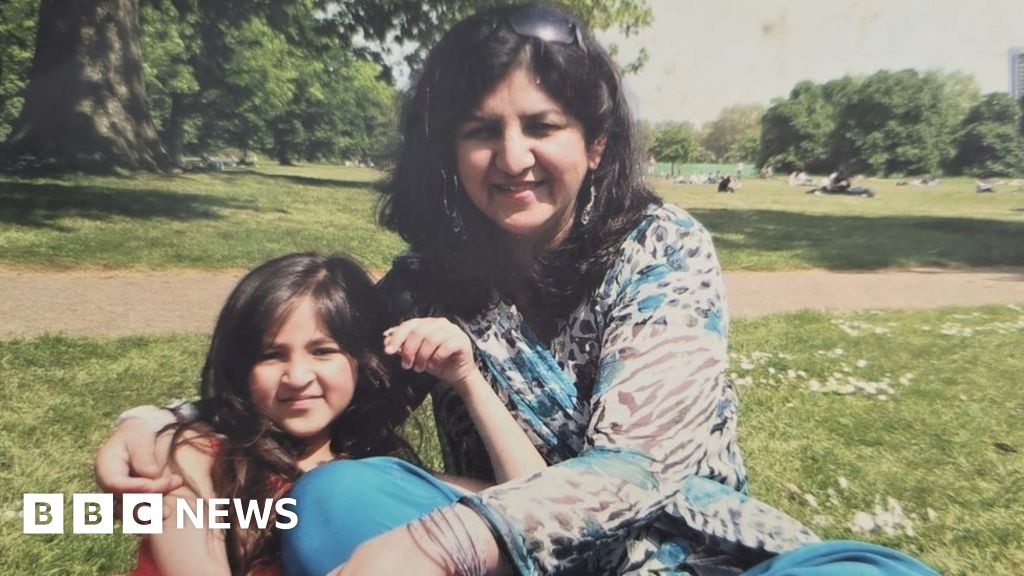
Sabrina Khan said Spire Healthcare staff "should have known something was wrong" with her mother, Nafisa.

The BBC also obtained testimony from doctors - contracted by the company to work up to 168 hours a week - who say long hours could put patients at risk.

Spire Healthcare has apologised for failings in Nafisa Khan's care.

The death of Mrs Khan from east London is one of several deaths following surgery at Spire Healthcare, looked at by BBC Panorama.

Spire Healthcare, which runs 39 private hospitals across the UK, is one of the biggest private hospital chains.

All surgery, wherever it's carried out, comes with some risk and things can go wrong. Spire has received three Prevention of Future Deaths reports from coroners calling for action in the past two years.

In one case in Norwich, the coroner issued a warning about Spire's continuing reliance on ambulance transfers to NHS hospitals in the event of emergencies, after three patients had died following long waits.

In England alone, there are more than six million people on NHS waiting lists. In some cases the NHS will pay for patients to be treated in private hospitals to help reduce the backlog.

Since 2021, Spire Healthcare has treated more than half a million NHS patients. Last year its profits rose by more than 30% to £126m.

While most NHS hospitals have intensive care units, most private hospitals do not.

BBC Panorama has found evidence that some patients treated in Spire hospitals were unaware there were no intensive care facilities.

Dr Nick Woodier at the Health Services Safety Investigations Body said that "there is a risk to patient safety", particularly where the NHS does not understand the capabilities of a particular private hospital.

Following Panorama's questions to Spire, the company has now updated its hospital websites, informing patients they may need to be transferred to the NHS for intensive care.

Spire Healthcare says it communicates with patients about its facilities "in various ways including information on our website, admission letters and patient leaflets", which are "regularly updated as appropriate".

When ambulance staff eventually arrived to take Nafisa Khan to an NHS hospital, daughter Sabrina says Spire Healthcare's east London hospital had so few staff on duty that the cleaners let them in.

After having been referred to Spire, Mrs Khan underwent a routine gallbladder operation in September 2021. She had been told it would be quicker for the NHS to pay for the procedure to be done privately.

The morning after her surgery, Mrs Khan deteriorated and her condition became critical. Spire has five hospitals with critical care units, but Spire East London does not have one.

Mrs Khan's family say the ambulance to take her to an NHS hospital did not arrive until about 22:00 that night.

"Why did they wait that whole Saturday while she was deteriorating, while she was vomiting, to transfer her to the NHS hospital?" said Sabrina.

Mrs Khan died shortly after being taken into NHS intensive care.

Spire Healthcare has admitted it failed to fully appreciate the seriousness of Mrs Khan's deteriorating condition and has apologised.

It said she should have been transferred earlier to an NHS hospital for critical care.

In 2023, Spire Healthcare was warned about another death as part of a coroner's Prevention of Future Deaths report. These are issued when someone has died and action needs to be taken to reduce the risk of further deaths occurring in the future.

At another Spire Hospital, in Leeds, a woman had developed sepsis - a life-threatening reaction to an infection - after a routine hernia operation.

The hospital was late in identifying the complications and the woman died. The coroner concluded her death had been avoidable and highlighted the role of the on-call doctor, known as the resident medical officer (RMO).

"The RMO was called twice during the night but failed to appreciate that the deterioration in her condition necessitated an escalation to the surgeon or anaesthetist," the coroner said.

Resident medical officers, now called resident doctors, provide 24-hour cover at private hospitals. In some private hospitals, including Spire, these doctors are contracted to work up to 168 hours a week.

Panorama - NHS Patients Going Private: What Are the Risks?

With more than six million people in England alone waiting for an operation on the NHS, Monika Plaha investigates patient safety at one of the UK's biggest private healthcare providers.

Watch now on BBC iPlayer (UK Only)

This may mean they work from 09:00 to 17:00 and then are on call until the following morning, when they work a day shift again and then repeat the pattern across a week.

Since 2009, the NHS has said its doctors should not work on average more than 48 hours a week.

Panorama has obtained the testimony of 28 resident medical officers who worked at Spire until 2022 and who want to remain anonymous. Almost all of them expressed concern about their workload and the potential safety implications for patients.

One said: "I was working round the clock, being the only doctor at night. Feeling constantly burnt out. And this obviously is not safe for the patients, nor for me as a doctor."

"I constantly had concerns about patient safety in the Spire hospital," said another.

Spire Healthcare told Panorama the wellbeing of all its staff is of "paramount importance" and said it has since updated its working practices.

The company said it has "robust safeguards to ensure that resident doctors are well supported" and are "only working when adequately rested".

Spire Healthcare was previously caught up in a major medical scandal when rogue surgeon Ian Paterson - who worked mostly in the NHS as well as for Spire - was jailed in 2017 for carrying out more than 1,000 unnecessary operations on women.

Then in 2018, another Spire surgeon, Michael Walsh, was suspended after dozens of patients complained about him. Spire referred Walsh to the regulator, the General Medical Council. Walsh denied any wrongdoing and later took himself off the medical register before his case was completed.

After three deaths in less than a year at the Spire Norwich Hospital, a coroner raised concerns about the company relying on NHS ambulance services in the event of medical emergencies.

In 2022, Geoffrey Hoad, 85, was in severe pain and needed a hip replacement. He decided to pay for surgery at Spire Norwich because of the two-year NHS waiting list.

The operation appeared to go well. Mr Hoad had coronary artery disease. Though he was a higher-risk patient, Spire says he was well enough to be treated at its hospital.

Over the next couple of days his condition deteriorated.

His wife, Anne McDowell, said she had "no idea at all" that the hospital did not have its own intensive care unit. An ambulance to take him just a mile down the road to the Norwich and Norfolk University Hospitals NHS Trust took 14 hours to arrive.

After he was eventually transferred to the NHS, Mr Hoad suffered a heart attack. The consultant told Ms McDowell her husband would not recover.

At an inquest last September, while the coroner didn't say the delay had contributed to Mr Hoad's death, she did issue a Prevention of Future Deaths report. She found that by continuing to rely on the NHS ambulance service, Spire had not learned the lessons from Mr Hoad's death and two previous deaths.

In 2021, two patients undergoing routine operations at Spire Norwich died after their conditions deteriorated. They also faced long ambulance delays to transfer them to the Norfolk and Norwich University Hospitals NHS Trust.

East of England Ambulance service has apologised to the three families for the delayed transfers. It said response times have improved significantly since these tragic cases.

Spire Healthcare said transferring patients after operations is "an extremely rare occurrence, and long delays are even rarer".

It said it continues to "work closely with the ambulance service and local NHS trusts on ways to ease delays".

The company said that "ensuring patients are safe is at the heart" of what it does, and that 98% of its hospitals are rated "good" or "outstanding".

The Department of Health and Social Care says since the Paterson Inquiry "key actions have been taken to strengthen protections for patients receiving care from independent sector providers".

Related Topics

NHS to expand private sector use to tackle waits

Use private sector more for NHS patients - Labour

Surgeon wounded hundreds amid 'culture of denial'

Surgeon facing 'serious' allegations quits medical register

Top Stories

Heated exchanges as Trump lawyer questions Stormy Daniels

Israel takes Rafah crossing as truce talks continue

Russian plot to kill Zelensky foiled, Kyiv says

Features

Russia's modern-day tsar sworn in for fifth term

26 of the most eye-catching looks from the Met Gala

'Shattered' - Tributes to surfers killed in Mexico

Indians brave scorching temperatures to vote

Weary troops stuck on front line as Ukraine struggles to find manpower

French bakers beat longest baguette world record. VideoFrench bakers beat longest baguette world record

Falklands still British, admits Argentina leader

Acclaimed photographer cracks Instagram in his 80s

The rise of Sweden's super rich

Elsewhere on the BBC

How Friends became one of the biggest comedies of all time

Executive producer Kevin Bright reveals how the ever-popular show was born

Tony Mammoth is a man out of time, literally

Frozen in 1979, he gets a second chance at life. Surely things can't have changed that much?

The women in music who have shaped Courtney Love

The American singer-songwriter shares the soundtrack to her life

The rookies are pushed to their personal and professional limits

Watch the new series of the tense Belfast-based police drama

Most Read

© 2024 BBC. The BBC is not responsible for the content of external sites. Read about our approach to external linking.


Spire Healthcare: Death of NHS-funded private patient raises safety concerns - BBC News</2>

Sunday, May 12, 2024

Grantham: Award for 'incredible' octogenarian foster carers - BBC News

https://ift.tt/khRrQd0
Grantham: Award for 'incredible' octogenarian foster carers - BBC News

Grantham: Award for 'incredible' octogenarian foster carers - BBC News

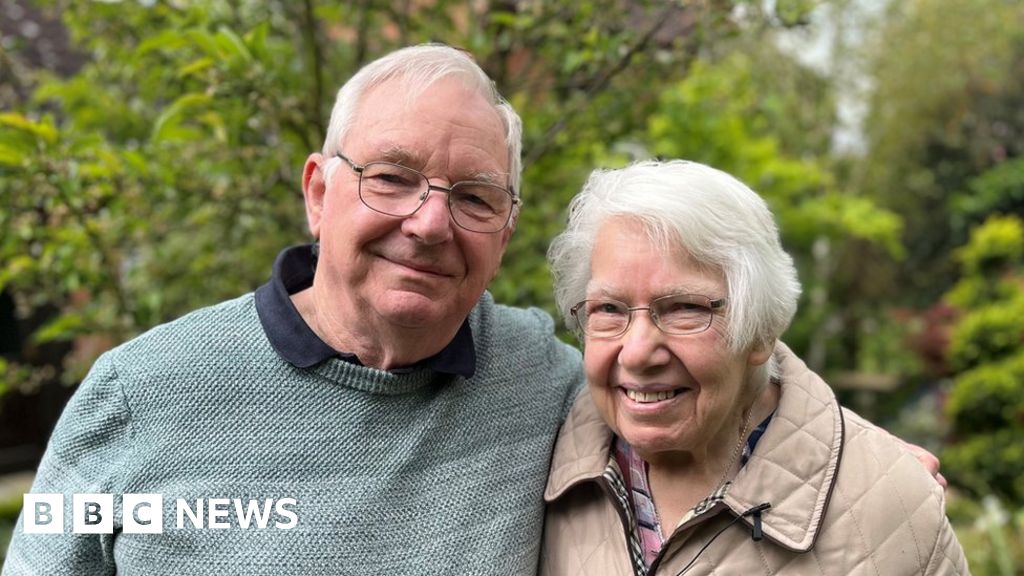
A couple in their 80s who have fostered more than 150 children say they have no plans to retire.

Margaret Isdale and her husband Robert, from Grantham, Lincolnshire, took in their first child in 1978.

They have been given a lifetime achievement award to mark their decades of dedication to families.

Asked how they continue to care for newborns, Mrs Isdale laughed: "I don't know! We just enjoy doing it, and I can't imagine not doing it now."

The couple, who have been married for 58 years and have two children of their own, are currently caring for an eight-month-old baby.

Mr Isdale, 81, said of their award: "It's really quite humbling. It's not about us, it's about the kids we look after - they're the important ones."

Paying tribute to them, Michelle Sawmynaden, from Lincolnshire Fostering Service, said she was "in awe of them both".

She added: "Their dedication to the fostering service over 46 years has been absolutely incredible.

"The difference they've made to the children's lives has been fantastic. Lots of those children have either gone back to their birth families or gone on to be adopted."

Explaining their decision to foster, Mr Isdale said: "You're there to give them an interim period of safety, to allow them to experience being part of a family."

The couple can still remember the first child they cared for - a 14-year-old girl.

She stayed with them for just a week before being returned to her birth parents, they recalled.

Over the years, they have looked after children with a range of needs, including a boy who underwent a kidney transplant. Mr and Mrs Isdale spent weeks in hospital by his bedside.

They said one child came to them with just a single set of pyjamas.

'Keep in touch'

The husband and wife team agreed the most rewarding part of fostering was reuniting families.

Mr Isdale said: "People say, how can you hand them over? Well, that's part of what we do, and sometimes when you hand [a child] over the adoptive parents or birth parents keep in touch and they say how appreciative they are. That in itself is a reward."

Recently, the couple were asked to be the godparents of a girl they had cared for.

In 1987, the Isdales adopted a girl after three years caring for her as foster parents.

"She just grew on us," said Mrs Isdale, 80.

Kim was born with Down's syndrome and a complex heart condition.

When she was born doctors said she would not live beyond nine months. She died in 2005, aged 21. The family travelled all over the world with her.

Mr Isdale said: "She taught us a lot. She was lovely, she had a good sense of humour, and she went everywhere with us."

Both said they had no plans to retire from fostering, insisting they would continue caring for children as long as their health allowed them to.

According to Lincolnshire Fostering Service, there are 213 approved fostering households and 768 children in the county's care system.

Further details about becoming a foster carer can be found here.

Follow BBC Lincolnshire onFacebook, X (formerly Twitter), and Instagram. Send your story ideas to eastyorkslincs.news@bbc.co.uk

Related Topics

Mum says depression inspired her to foster

Cash incentive scheme for foster carers extended

Foster families take part in Easter support event

Film in Parliament highlights UK's lack of foster care

Related Internet Links

Lincolnshire Fostering Service

From other local news sites

7 £4.1 million project on town centre market place starts

3 Plans to install CCTV at historic hall

Teenage traders display their wares at market event in Sleaford

More than 7,000 potholes filled last month but still more to be done

1 A sell out show for popular market event

Warm welcome for Walk of Hope at Caistor

Top Stories

Heated exchanges as Trump lawyer questions Stormy Daniels

Israel takes Rafah crossing as truce talks continue

Russian plot to kill Zelensky foiled, Kyiv says

Features

Russia's modern-day tsar sworn in for fifth term

26 of the most eye-catching looks from the Met Gala

'Shattered' - Tributes to surfers killed in Mexico

Indians brave scorching temperatures to vote

Weary troops stuck on front line as Ukraine struggles to find manpower

French bakers beat longest baguette world record. VideoFrench bakers beat longest baguette world record

Falklands still British, admits Argentina leader

Acclaimed photographer cracks Instagram in his 80s

The rise of Sweden's super rich

Elsewhere on the BBC

How Friends became one of the biggest comedies of all time

Executive producer Kevin Bright reveals how the ever-popular show was born

Tony Mammoth is a man out of time, literally

Frozen in 1979, he gets a second chance at life. Surely things can't have changed that much?

The women in music who have shaped Courtney Love

The American singer-songwriter shares the soundtrack to her life

The rookies are pushed to their personal and professional limits

Watch the new series of the tense Belfast-based police drama

Most Read

© 2024 BBC. The BBC is not responsible for the content of external sites. Read about our approach to external linking.


Grantham: Award for 'incredible' octogenarian foster carers - BBC News</2>

Thursday, May 9, 2024

Grantham: Award for 'incredible' octogenarian foster carers - BBC News

https://bit.ly/44BL7Kn
Grantham: Award for 'incredible' octogenarian foster carers - BBC News

Grantham: Award for 'incredible' octogenarian foster carers - BBC News

A couple in their 80s who have fostered more than 150 children say they have no plans to retire.

Margaret Isdale and her husband Robert, from Grantham, Lincolnshire, took in their first child in 1978.

They have been given a lifetime achievement award to mark their decades of dedication to families.

Asked how they continue to care for newborns, Mrs Isdale laughed: "I don't know! We just enjoy doing it, and I can't imagine not doing it now."

The couple, who have been married for 58 years and have two children of their own, are currently caring for an eight-month-old baby.

Mr Isdale, 81, said of their award: "It's really quite humbling. It's not about us, it's about the kids we look after - they're the important ones."

Paying tribute to them, Michelle Sawmynaden, from Lincolnshire Fostering Service, said she was "in awe of them both".

She added: "Their dedication to the fostering service over 46 years has been absolutely incredible.

"The difference they've made to the children's lives has been fantastic. Lots of those children have either gone back to their birth families or gone on to be adopted."

Explaining their decision to foster, Mr Isdale said: "You're there to give them an interim period of safety, to allow them to experience being part of a family."

The couple can still remember the first child they cared for - a 14-year-old girl.

She stayed with them for just a week before being returned to her birth parents, they recalled.

Over the years, they have looked after children with a range of needs, including a boy who underwent a kidney transplant. Mr and Mrs Isdale spent weeks in hospital by his bedside.

They said one child came to them with just a single set of pyjamas.

'Keep in touch'

The husband and wife team agreed the most rewarding part of fostering was reuniting families.

Mr Isdale said: "People say, how can you hand them over? Well, that's part of what we do, and sometimes when you hand [a child] over the adoptive parents or birth parents keep in touch and they say how appreciative they are. That in itself is a reward."

Recently, the couple were asked to be the godparents of a girl they had cared for.

In 1987, the Isdales adopted a girl after three years caring for her as foster parents.

"She just grew on us," said Mrs Isdale, 80.

Kim was born with Down's syndrome and a complex heart condition.

When she was born doctors said she would not live beyond nine months. She died in 2005, aged 21. The family travelled all over the world with her.

Mr Isdale said: "She taught us a lot. She was lovely, she had a good sense of humour, and she went everywhere with us."

Both said they had no plans to retire from fostering, insisting they would continue caring for children as long as their health allowed them to.

According to Lincolnshire Fostering Service, there are 213 approved fostering households and 768 children in the county's care system.

Further details about becoming a foster carer can be found here.

Follow BBC Lincolnshire onFacebook, X (formerly Twitter), and Instagram. Send your story ideas to eastyorkslincs.news@bbc.co.uk

Related Topics

Mum says depression inspired her to foster

Cash incentive scheme for foster carers extended

Foster families take part in Easter support event

Film in Parliament highlights UK's lack of foster care

Related Internet Links

Lincolnshire Fostering Service

From other local news sites

7 £4.1 million project on town centre market place starts

3 Plans to install CCTV at historic hall

Teenage traders display their wares at market event in Sleaford

More than 7,000 potholes filled last month but still more to be done

1 A sell out show for popular market event

Warm welcome for Walk of Hope at Caistor

Top Stories

Heated exchanges as Trump lawyer questions Stormy Daniels

Israel takes Rafah crossing as truce talks continue

Russian plot to kill Zelensky foiled, Kyiv says

Features

Russia's modern-day tsar sworn in for fifth term

26 of the most eye-catching looks from the Met Gala

'Shattered' - Tributes to surfers killed in Mexico

Indians brave scorching temperatures to vote

Weary troops stuck on front line as Ukraine struggles to find manpower

French bakers beat longest baguette world record. VideoFrench bakers beat longest baguette world record

Falklands still British, admits Argentina leader

Acclaimed photographer cracks Instagram in his 80s

The rise of Sweden's super rich

Elsewhere on the BBC

How Friends became one of the biggest comedies of all time

Executive producer Kevin Bright reveals how the ever-popular show was born

Tony Mammoth is a man out of time, literally

Frozen in 1979, he gets a second chance at life. Surely things can't have changed that much?

The women in music who have shaped Courtney Love

The American singer-songwriter shares the soundtrack to her life

The rookies are pushed to their personal and professional limits

Watch the new series of the tense Belfast-based police drama

Most Read

© 2024 BBC. The BBC is not responsible for the content of external sites. Read about our approach to external linking.


Grantham: Award for 'incredible' octogenarian foster carers - BBC News</2>

Tuesday, May 7, 2024

'Forever Chemicals' Set to Be Removed From Tap Water. Here's What to Know - CNETinstagramyoutubetiktokfacebookxflipboard

https://cnet.co/3wgFMvh
'Forever Chemicals' Set to Be Removed From Tap Water. Here's What to Know - CNETinstagramyoutubetiktokfacebookxflipboard

'Forever Chemicals' Set to Be Removed From Tap Water. Here's What to Know - CNETinstagramyoutubetiktokfacebookxflipboard

Our wellness advice is expert-vetted. Our top picks are based on our editors’ independent research, analysis, and hands-on testing. If you buy through our links, we may get a commission. Reviews ethics statement

'Forever Chemicals' Set to Be Removed From Tap Water. Here's What to Know

A new rule aims to reduce exposure to PFAS, which have been linked to health problems. Here's what we know about PFAS in water and other products.

A few years down the road, your tap water could be a little healthier for you. The US Environmental Protection Agency on Wednesday announced a finalized rule from the Biden administration requiring public water systems test for and reduce the levels of per-and polyfluoroalkyl substances in drinking water. 

PFAS are also called "forever chemicals" because of the way they build up in the environment and people's bodies. 

About a year ago, the EPA announced plans for the first-ever national standard. As it rolls into effect over the next several years, it will require about 6% to 10% of the 66,000 public drinking water systems affected to reduce their levels of PFAS, the EPA estimates.  All public water systems have three years to complete their initial monitoring for PFAS and must "implement solutions" within five years if PFAS are too high. 

PFAS are chemicals in products and coatings that resist heat, so they're commonly found in clothes, furniture, food containers and personal care products. They're a concern, according to the US Centers for Disease Control and Prevention, because they don't break down in the environment. So they move through soil, contaminate drinking water and build up in wildlife and animals -- including most people in the US. 

How PFAS affect health 

Like most potentially harmful chemicals or elements in our environment, the concern is over prolonged exposure (years) or larger amounts of exposure that increases the risk of negative health effects. 

Some health effects that may be linked to higher levels of PFAS include increased cholesterol, changes to the liver, increased risk of certain cancers, low birth weight, high blood pressure in pregnancy and even decreased vaccine response. They may also interfere with the body's hormones and impact fertility. 

Young children and those who are pregnant may be more susceptible to PFAS than the general population, as are some industrial workers whose jobs have them around certain chemicals. To check for water contamination in your area, you can use the Environmental Working Group's ZIP code search feature.

The CDC notes that the health risks of humans exposed to lower levels of PFAS are uncertain and that finding a detectable level of it in a blood serum sample doesn't mean you'll develop health effects. 

The agency also notes that US production of two types of PFAS -- PFOA and PFOS -- has declined since the early 2000s but that people may be exposed to different types of PFAS as they're replaced. 

Read more: That Old Nonstick Skillet May Be Unsafe. How to Tell

What will the drinking water rule do? 

The new rule, which is the first legally enforceable national drinking water standard, will set a limit at 4 parts per trillion of the widely used and studied PFOA and PFOS, a level which is "lowest levels that are feasible for effective implementation," the EPA said in a press release. Standards for PFAS called PFNA, PFHxS and HFPO-DA (also called "GenX Chemicals") will be set at 10 parts per trillion, and there's also a rule for mixing PFAS. 

Water or utility systems will have to abide by these standards. 

While some money has been allocated through the Bipartisan Infrastructure Law to help states and territories pay for and implement testing, as the EPA outlined this week in its announcement, The New York Times reported water utilities are concerned about funding to comply with the standard. 

Groups like the EWG have been calling for more federal regulation of PFAS levels for years and have proposed limits that are significantly lower than what's currently set at the national level. However, states or cities may set their own levels and water filtration rules for PFAS. 

The coating on nonstick pans is another source for trace amounts of PFAS, which build up over time. 

When will it be in effect? 

It still may be a while before people start drinking water with less PFAS contamination. According to the EPA press release, public water systems have three years to "complete their initial monitoring for these chemicals" and then let the public know the level of PFAS in the community's drinking water. They have a total of five years to "implement solutions" that would bring the PFAS level down to the acceptable level.

After it's all said and done, this new rule could reduce PFAS exposure for approximately 100 million people, the EPA and Biden administration say. However, as The New York Times notes, legal challenges to the rule could potentially delay or interfere with its effect.

Will my water filter work? What products contain PFAS? 

If you use one of the popular activated carbon filters (like a Brita pitcher, for example) it might not remove PFAS as effectively or consistently as a reverse osmosis filter -- a more expensive and involved filter that typically fits under your sink, according to 2020 research from Duke University. 

The Public Health and Safety Organization has a list of water treatment units and the claims the company makes about what they can remove. And as the CDC says, the best way to figure out what a home water filter filters out is to look for the NSF certification on the label. 

While water is one main source of potential exposure to PFAS (since we need to drink it every day to live), drinking more purified water isn't the only way you can reduce exposure to PFAS. Because the chemicals are found in nonstick or repellent materials, switching out nonstick pans for stainless steel or cast iron cookware may also reduce the risk. You can also try not to use water-resistant sprays, stain-resistant carpets and anything else that might be coated with those chemicals. 

PFAS may be intentionally added to cosmetic products to "condition and smooth the skin," according to the US Food and Drug Administration, so some types of makeup, shaving cream, lotion and more products may contain them. What's more, things as simple as dental floss, shampoo and to-go containers all may expose people to PFAS, which are widespread in the US.

If you're interested in doing a deeper dive into cosmetic or personal care ingredients, the EWG has a page where you can look up personal care products and see how their ingredients are rated for potential contamination concerns. But when doing a deep dive into ingredients like this, it's always important to keep in mind the benefits of the products you're using -- reducing the risk of skin cancer with sunscreen, for one example, or treating painfully dry skin with lotion. 

Other Wellness Guides


'Forever Chemicals' Set to Be Removed From Tap Water. Here's What to Know - CNETinstagramyoutubetiktokfacebookxflipboard</2>